

-
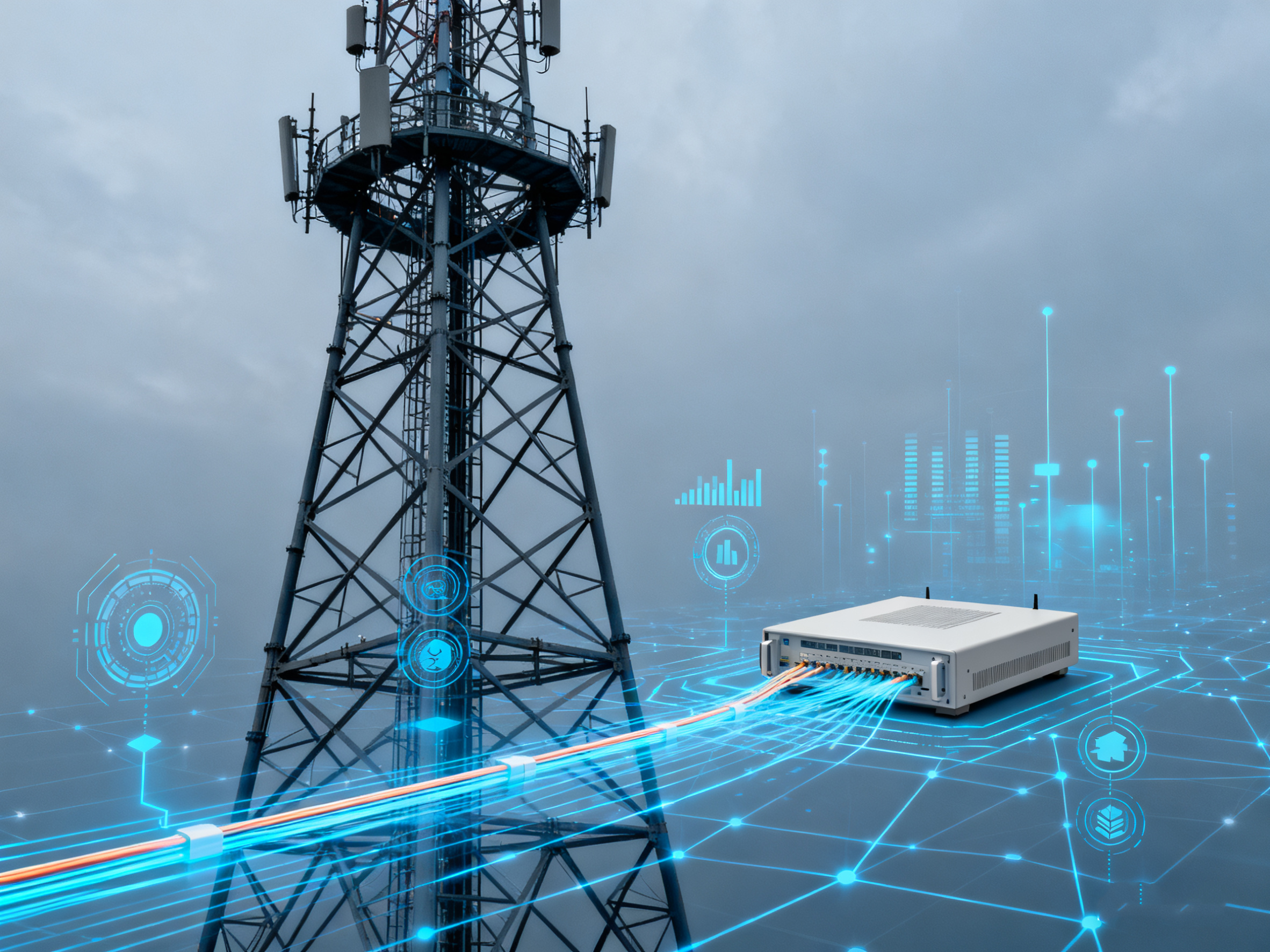
4G Base Station Fronthaul Overall Solution
A typical 4G base station tower includes antennas, feeder cables, and Remote Radio Units (RRUs). The antennas connect to the RRUs via feeder cables, while the RRUs connect to the Baseband Units (BBUs) located in nearby equipment rooms via fiber optics. Usually, one BBU connects to three RRUs. The 4G base station fronthaul refers to the optical transmission segment between the RRUs and the BBU.
넶23 2025-11-10 -
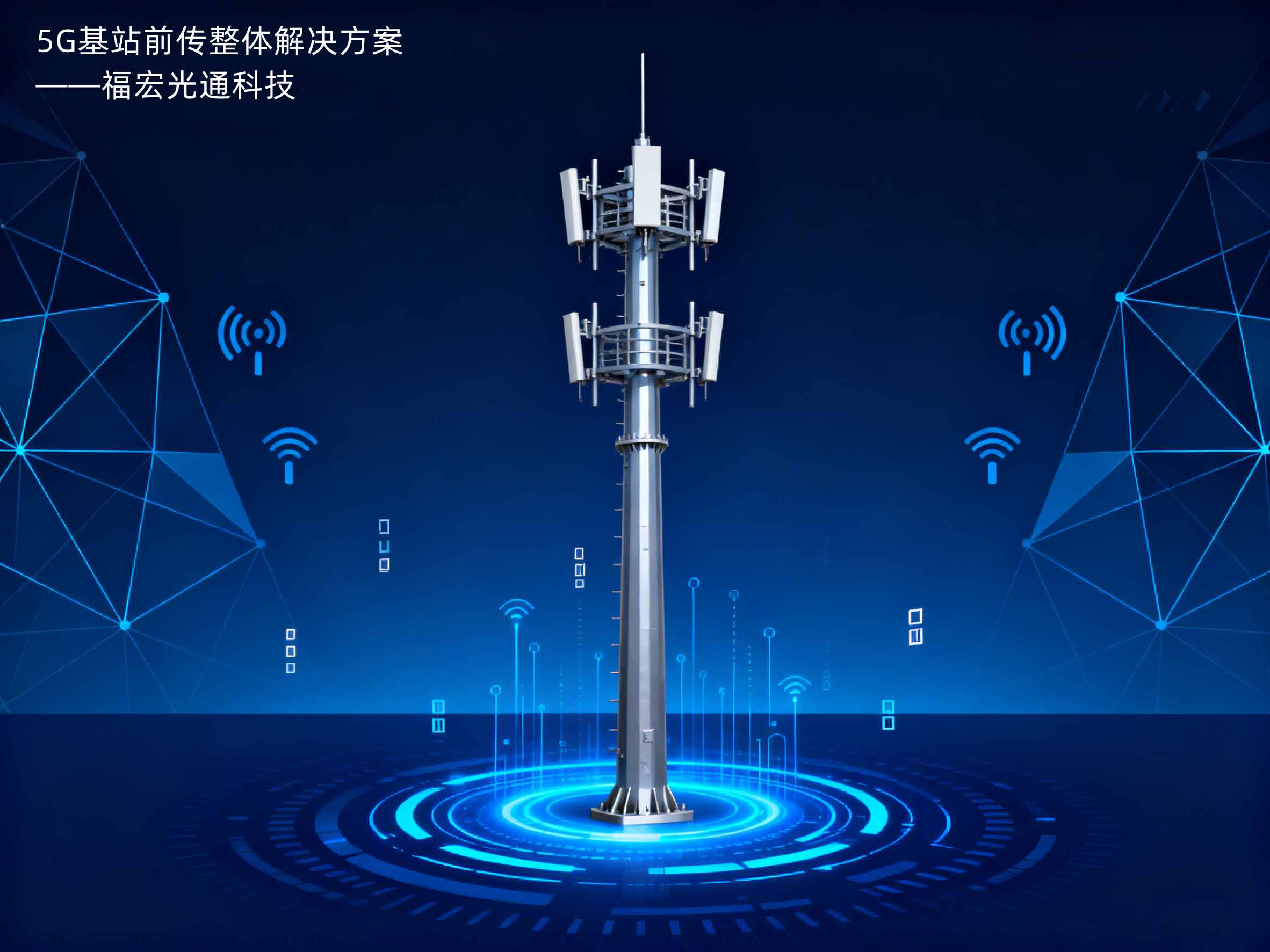
5G Base Station Fronthaul Overall Solution
5G base stations integrate antennas and Remote Radio Units (RRUs) into Active Antenna Units (AAUs). Meanwhile, the Baseband Unit (BBU) is split into Distributed Units (DUs) and Centralized Units (CUs). The DU handles real-time physical layer processing, while the CU manages non-real-time protocol layer processin
넶19 2025-11-10 -

Terabit National/Transnational OTN Backbone Network Overall Solution
From a transmission perspective, carrier networks can be divided into: backbone networks, metropolitan area networks (MAN), and access networks.
The backbone network is a high-speed network that connects multiple regions or areas. Each backbone network contains at least one interconnection point with other backbone networks. Different network providers (carriers) maintain their own backbone networks to link their networks across different regions.넶26 2025-11-10 -
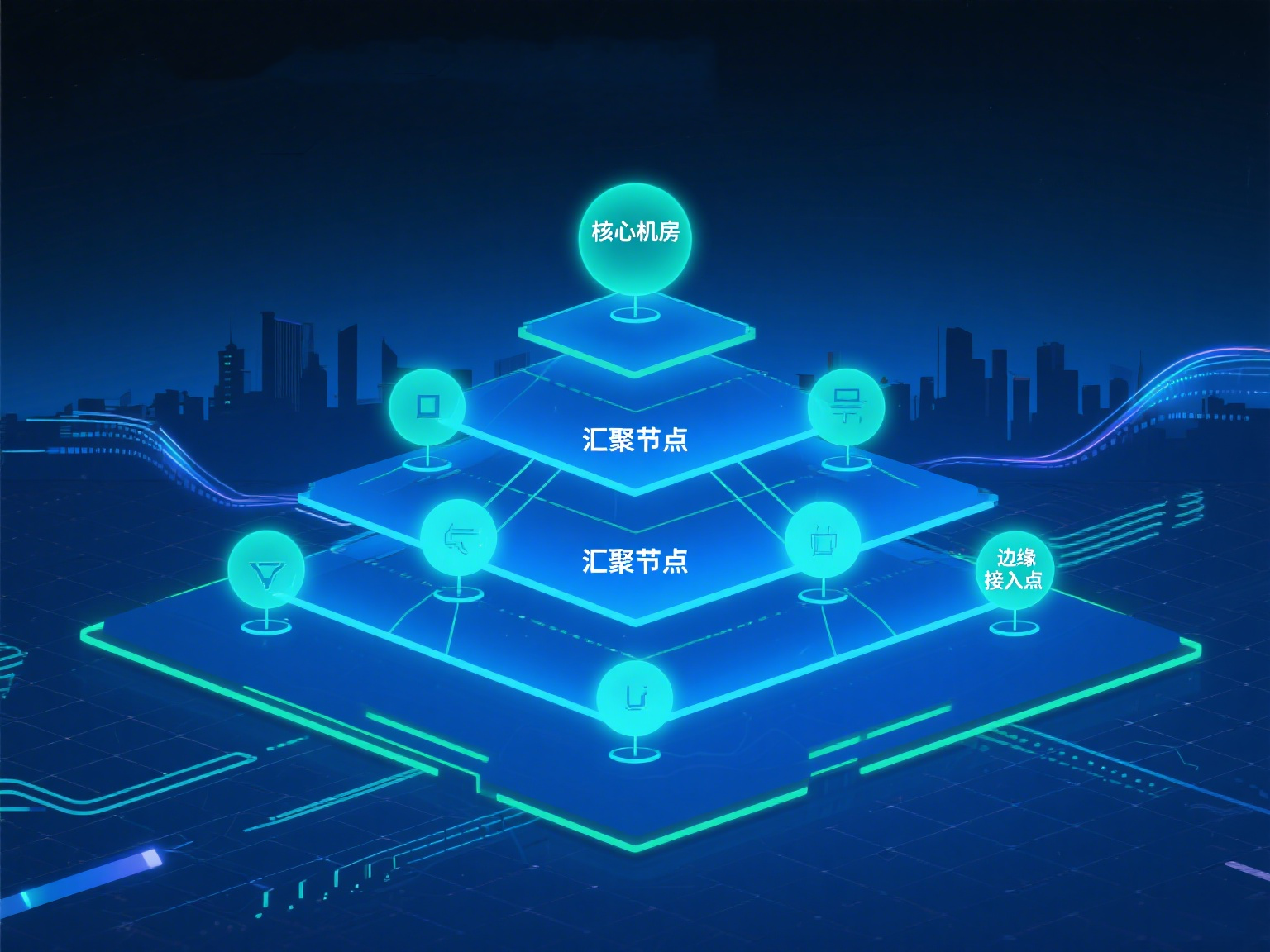
Inter-Provincial/Inter-City Metropolitan Area Network Overall Solution
From a transmission perspective, carrier networks can be divided into: backbone networks, metropolitan area networks (MAN), and access networks.
The carrier metropolitan area network serves as a critical node for data aggregation and network access within the carrier's infrastructure.넶2 2025-11-10


